Unlocking Europe: The Ultimate Guide to American Souvenir Finds
What European Souvenirs Do Americans Bring Home?
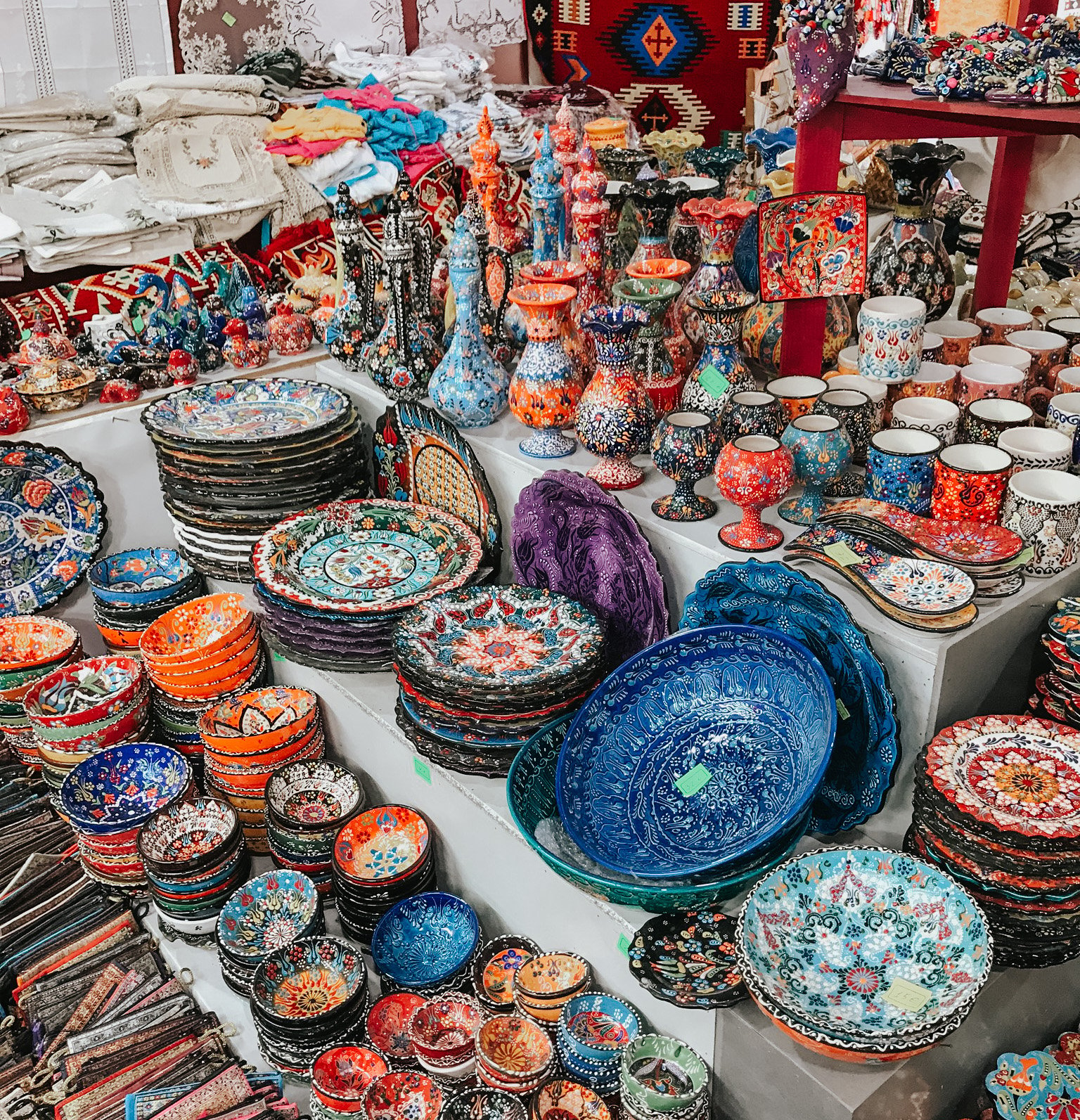
So, you're back from your amazing European adventure, suitcase bursting at the seams. What treasures did you manage to snag? For Americans, a European trip is often less about the destination and more about the *souvenirs*. These aren't just any old trinkets; they're tangible memories of cobblestone streets, breathtaking architecture, and the delicious aroma of freshly baked bread. They're a slice of Europe to take home and cherish.
Iconic European Souvenirs: The Classics
Let's start with the usual suspects – the souvenirs that practically scream "I've been to Europe!" These are the tried-and-true, the reliable crowd-pleasers that always make for great conversation starters. Think along the lines of:
- Miniature Eiffel Towers: Paris wouldn't be Paris without its iconic tower, and a tiny replica is a must-have for many American visitors. They come in all shapes and sizes, from keychain-sized versions to elaborate, detailed models.
- Leaning Tower of Pisa replicas: Similar to the Eiffel Tower, a miniature version of this architectural marvel is a quintessential Italian souvenir. It's a fun reminder of the hilarious photo opportunities you had trying to "hold it up".
- Ceramics from Delft, Netherlands: These gorgeous blue and white ceramics are instantly recognizable and add a touch of old-world charm to any home. Imagine the conversations you'll spark when people notice these beautiful pieces.
- Matryoshka dolls (Russian Nesting Dolls): These charming wooden dolls are a symbol of Russian folk art and are a wonderfully unique gift to take home.
These classic European souvenirs Americans bring home are easy to find, relatively affordable, and always a hit.
Beyond the Tourist Traps: Unique European Souvenirs Americans Bring Home
But what about those who want something a little more… *unique*? Something that says, "I didn't just visit Europe, I *experienced* it"? Well, for those intrepid travelers, the options are endless. Let's delve into some truly special European souvenirs:
- Locally made artisan crafts: Forget the mass-produced items; seek out handcrafted treasures. Think intricate lace from Bruges, hand-blown glass from Venice, or leather goods from Florence. These items possess a level of quality and artistry hard to find elsewhere.
- Vintage postcards and stamps: A nostalgic touch, finding old postcards and stamps in antique shops or flea markets is a unique way to remember your travels. They can evoke a sense of time and place far beyond a typical souvenir.
- Regional food and drink items: From a bottle of fine wine from Bordeaux to a jar of artisanal honey from the Tuscan countryside, edible souvenirs are a delicious way to relive your journey.
- Books and maps: A beautifully illustrated book about the region you visited or an old map showing its history can transport you back to the cobbled streets and charming villages.
- Locally made jewelry: Unique pieces of jewelry can serve as a lasting reminder of your time abroad. Look for pieces that incorporate local materials or designs.
These unique European souvenirs Americans bring home often tell a more personal story about their trip, reflecting their individual experiences and tastes. They're conversation starters and cherished reminders of a truly enriching experience.
European Souvenirs Americans Bring Home: The Practical Considerations
While the thrill of finding the perfect souvenir is undeniable, there are a few practical considerations to keep in mind:
- Fragility: That delicate hand-blown glass vase might look stunning, but is it going to survive the journey home in one piece? Consider how delicate your purchases are before committing to buying.
- Weight and size: Your suitcase has a weight limit, remember! Don't overload yourself with heavy or bulky items that will make your trip home a burden.
- Customs regulations: Be aware of customs regulations in both Europe and the USA. Some items, particularly food items, may be restricted. Check the rules and regulations for both your travel location and your country of origin before purchasing your souvenir.
- Authenticity: Beware of counterfeits! If something seems too good to be true (especially in a tourist trap), it probably is. Do your research and look for reputable vendors.
Planning ahead can save you from potential headaches and ensure your treasured European souvenirs safely arrive home.
Remembering Your European Adventure: The Emotional Value of Souvenirs
Let's be honest, the best souvenirs aren't always the most expensive or elaborate. Sometimes, the simplest trinkets hold the most significant meaning. A small stone picked up from a beach, a pressed flower from a meadow, even a ticket stub from a concert – these seemingly insignificant items can trigger powerful memories and emotions. They help us remember the sights, sounds, and feelings of our travels, creating a more complete and personal record of our journey. And that, in itself, is priceless.
European Souvenirs Americans Bring Home: Conclusion
Bringing home European souvenirs is more than just collecting trinkets; it's about preserving a piece of the journey, a memory made tangible. Whether you opt for classic iconic items or unique handcrafted treasures, your souvenirs will serve as constant reminders of your incredible European adventure, stories you can share for years to come, transforming your memories into tangible keepsakes.
Frequently Asked Questions
Q: What are the most affordable European souvenirs?
A: Postcards, magnets, small keychains, and local sweets are usually very affordable options. Look for smaller shops outside the main tourist areas for better prices.
Q: How can I ensure my fragile souvenirs arrive home safely?
A: Wrap them carefully in bubble wrap or clothing, and consider using a dedicated hard-shell case to prevent damage. Packing your fragile items carefully in the middle of your suitcase is also recommended.
Q: Are there any restrictions on bringing food items back to the US from Europe?
A: Yes, there are often restrictions. Check the USDA website for updated information on what food items are allowed and what processes need to be followed. Items such as meats and dairy products are often restricted.
Q: Where are the best places to find unique European souvenirs?
A: Instead of tourist shops, look for local markets, antique shops, and artisan workshops for truly unique treasures. Get off the beaten track and explore less-visited areas.
Q: How can I tell if a souvenir is authentic?
A: Look for signs of craftsmanship, such as hand-stitching or hand-painting. If the price seems unusually low, especially for something that claims to be high-quality, it might be a fake. Research the item online to compare it to similar authentic products.


Comments
Post a Comment