The Berlin Wall: A Cold War Journey Through an American Lens
Exploring the Berlin Wall: An American's Cold War Journey
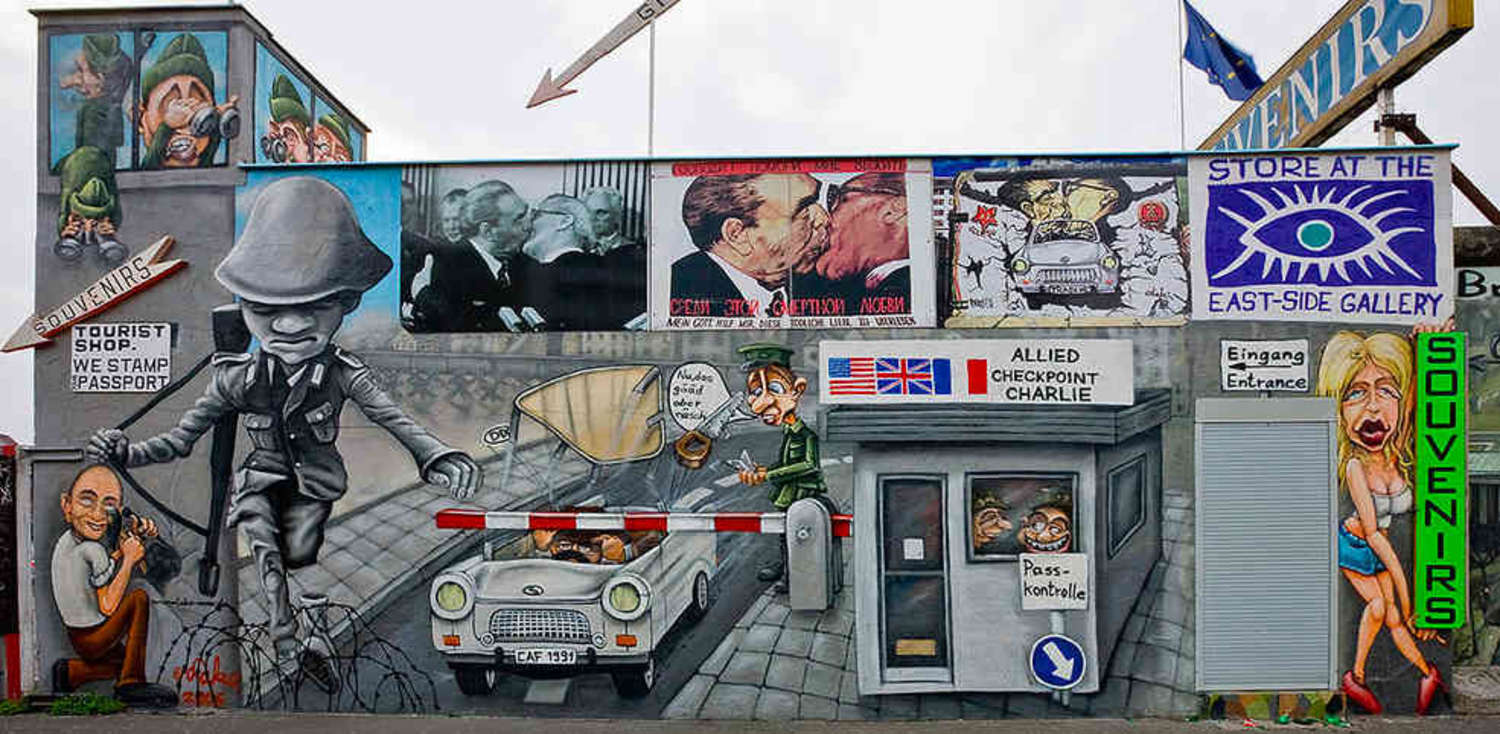
A Concrete Symbol of Division
So, you're an American looking to understand the Berlin Wall? It's more than just a bunch of concrete slabs; it's a potent symbol of the Cold War, a physical manifestation of ideological conflict that gripped the world for decades. Think of it as a giant, grim game of chess, where the pieces were nations, and the stakes were unbelievably high. Exploring the Berlin Wall from an American perspective means grappling with our country's role in this tumultuous period – a role that was, at times, complex and contradictory.
The Cold War's Shadow: An American Perspective
For Americans, the Berlin Wall represented the ultimate manifestation of communist expansionism. It was a stark reminder of the Soviet Union's grip on Eastern Europe, a chilling symbol of oppression and the denial of freedom. This wasn't just some abstract ideological battle; it was about real people, trapped behind a wall that prevented them from seeking better lives, from escaping tyranny. That feeling resonated deeply with the American spirit, deeply rooted in the ideals of liberty and individual choice.
Remember, the Cold War wasn't just fought with tanks and missiles. It was a war of ideas, a battle for hearts and minds. The Berlin Wall became the perfect visual representation of this invisible struggle. Every newsreel, every photo, every story about escape attempts brought the reality of the conflict home to the American public. It fueled the anxieties and shaped the foreign policy of the era.
Exploring the Berlin Wall: Beyond the Concrete
Exploring the Berlin Wall from an American perspective requires more than just a visit to the remnants. You need to understand the context. Consider the role the US played in supporting West Berlin – an island of democracy surrounded by a sea of communism. The Berlin Airlift, a daring feat of logistical prowess, stands as a testament to America's unwavering commitment to preventing the communist takeover of the entire city.
Think about the impact the Wall had on American foreign policy. It solidified the United States' commitment to containing communism through military strength, economic aid, and staunch anti-communist rhetoric. The massive military spending that dominated the post-war era was directly influenced by the anxieties the Cold War generated, anxieties epitomized by the Berlin Wall's existence.
The Human Cost: Stories from the Wall
The Berlin Wall wasn't just a political statement; it had a human cost. Countless people risked their lives attempting to escape to the West, some succeeding, many tragically failing. These stories, filled with bravery, desperation, and heartbreak, form an integral part of understanding the wall's legacy. These stories offer poignant lessons about human resilience and the yearning for freedom.
Many Americans connected with these narratives, viewing them as powerful examples of the struggle for freedom against overwhelming odds. The Wall became a metaphor for the global fight against tyranny, reinforcing America's role as a beacon of hope and a defender of freedom across the globe. These narratives remain powerful today and should be an essential part of exploring the Berlin Wall from an American perspective.
The Fall of the Wall: A Turning Point
The fall of the Berlin Wall in 1989 was a watershed moment, a global event that marked the beginning of the end of the Cold War. For Americans, it was a moment of both triumph and reflection. It was a victory for freedom, a testament to the power of peaceful resistance and the resilience of the human spirit. Yet it also prompted a period of self-reflection, a re-evaluation of American foreign policy and our role in the world.
The euphoria of the fall was palpable. It seemed as if a chapter of intense international tension had finally closed, ushering in a new era of hope and international cooperation. However, this celebratory mood was quickly tempered by the realization of new challenges emerging in the post-Cold War world.
Exploring the Berlin Wall from an American Perspective: A Lasting Legacy
Even today, exploring the Berlin Wall from an American perspective offers valuable lessons. It reminds us of the fragility of freedom, the dangers of unchecked power, and the importance of vigilance against oppression. It is a stark reminder of the human cost of ideological conflict, and the enduring power of hope and determination in the face of adversity. The remnants of the wall serve as a powerful memorial, urging future generations not to forget the past and to work towards a more just and peaceful future.
The East Side Gallery, a section of the wall transformed into an open-air art gallery, stands as a powerful symbol of this transformation, depicting a potent mix of hope, resilience, and artistic expression. It serves as a unique and moving testament to the complexities of the wall's legacy and the importance of remembering it.
Conclusion
Exploring the Berlin Wall from an American perspective is not just about visiting a historical site; it's about engaging with a pivotal moment in history, understanding its impact on American foreign policy, and reflecting on the enduring struggle for freedom and self-determination. The wall remains a potent reminder of the Cold War's complexities, its human cost, and the importance of learning from the past to shape a better future.
Frequently Asked Questions
- What was the Berlin Wall's significance to the Cold War? The Berlin Wall symbolized the stark ideological division between East and West, representing the Soviet Union's control over Eastern Europe and the suppression of individual liberties. It served as a powerful visual representation of the Cold War's geopolitical struggle.
- How did the Berlin Wall impact American foreign policy? The Wall solidified America's commitment to containing communism through various means, including military buildup, economic aid to West Berlin, and a strong anti-communist stance. It fueled anxieties and shaped American foreign policy for decades.
- What was the Berlin Airlift's role? The Berlin Airlift demonstrated America's determination to protect West Berlin from a Soviet blockade, showcasing the country's commitment to its allies and its willingness to challenge Soviet aggression.
- What is the East Side Gallery? The East Side Gallery is a section of the Berlin Wall that has been transformed into an open-air art gallery, serving as a testament to the wall's fall and a symbol of hope and reconciliation.
- Why is exploring the Berlin Wall important for Americans today? Exploring the Berlin Wall offers valuable lessons about the fragility of freedom, the dangers of unchecked power, and the ongoing struggle for human rights globally. It provides a historical context to understand current geopolitical tensions.


Comments
Post a Comment