Safe Travels: Your Essential Guide to Navigating Europe as an American Tourist
Safety Tips for Americans Traveling in Europe: A Comprehensive Guide
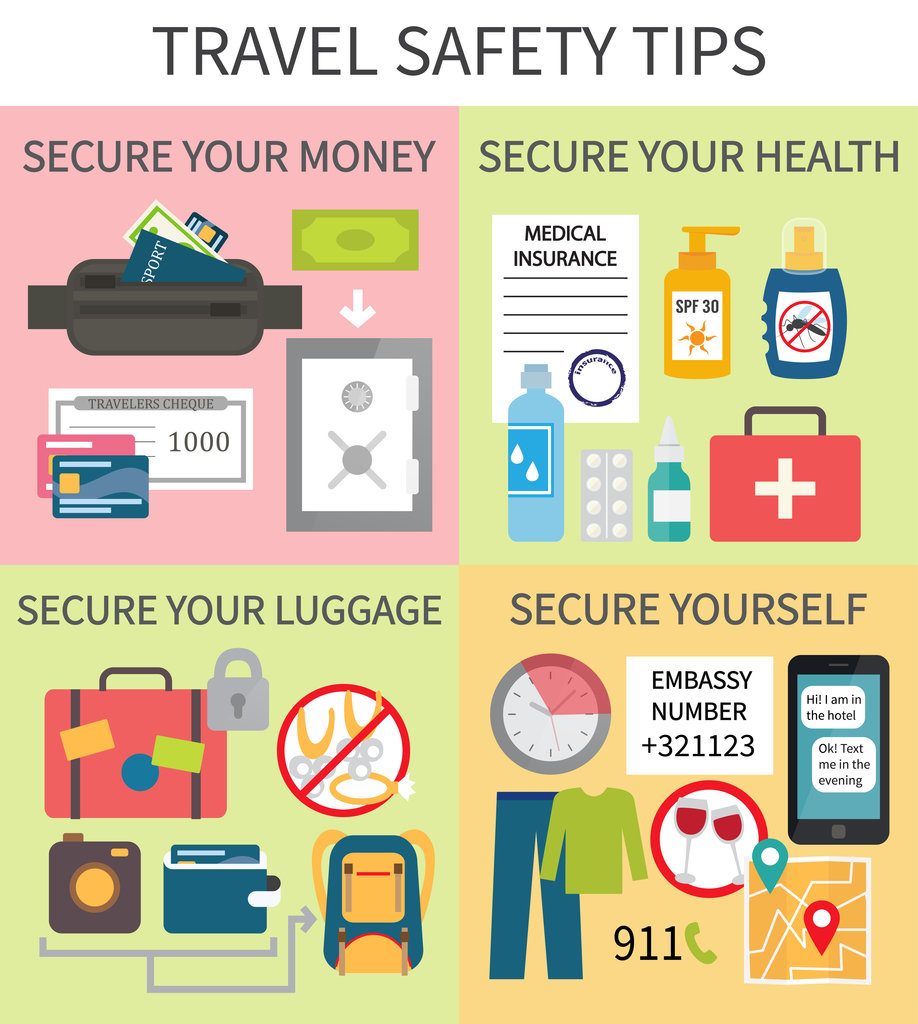
So, you're dreaming of cobblestone streets, ancient castles, and delicious pastries? Europe is calling, and you're answering! That's awesome. But before you pack your bags, let's talk about something crucial: safety. Traveling to a new continent always comes with its own set of challenges, and being prepared is key to a smooth and enjoyable trip. This guide is all about providing you with essential safety tips for Americans traveling in Europe, ensuring you can focus on soaking up the culture and creating unforgettable memories.
Before You Even Leave: Preparation is Key
Think of your pre-trip planning as building a solid foundation for your European adventure. Neglecting this stage is like trying to build a house on sand – it's not going to hold up! Here's what you need to do before you even set foot on a plane:
- Inform your bank and phone provider: Let them know your travel dates and destinations to avoid any issues with card usage or roaming charges. Believe me, nothing spoils a vacation faster than a blocked credit card!
- Make copies of important documents: Passport, driver's license, travel insurance details – keep physical and digital copies separate. Losing your passport is a major setback, but having a backup can save the day.
- Register with the Smart Traveler Enrollment Program (STEP): This free service from the U.S. Department of State allows the embassy or consulate to contact you in case of an emergency. It's like having a personal safety net abroad.
- Learn some basic phrases: Knowing how to say "hello," "thank you," and "excuse me" in the local language goes a long way. It shows respect and can help you navigate tricky situations more smoothly.
- Research your destinations: Understand the local customs, laws, and potential risks. Knowledge is power, especially when you're in unfamiliar territory.
Safety Tips for Americans Traveling in Europe: On the Ground
You've arrived! The excitement is palpable. But remember, staying safe is an ongoing process, not just something you do before you leave. Here's how to navigate Europe safely:
Transportation Safety
Navigating public transportation can be a bit overwhelming at first. But with a little awareness, you can significantly reduce your risk. Here's what to keep in mind:
- Be aware of your surroundings: Pay attention to who is around you, especially in crowded areas. This simple act can prevent many potential problems.
- Secure your belongings: Pickpockets are unfortunately common in tourist areas. Keep your valuables close, and use crossbody bags or money belts. Don't flash expensive jewelry.
- Use reputable transportation services: Stick to official taxis, ride-sharing apps, or public transport rather than unofficial options. This reduces the chances of getting scammed or into a dangerous situation.
Accommodation Safety
Finding a safe and comfortable place to stay is crucial. Here's how to choose wisely:
- Book through reputable websites: Avoid booking accommodations from unknown sources. Sites like Booking.com, Expedia, and Airbnb offer better protection and reviews.
- Read reviews carefully: Look for patterns in reviews regarding safety and cleanliness. A few negative reviews might be okay, but several similar complaints should be a red flag.
- Secure your room: Use the provided lock and any additional security features, like a chain lock.
Safety Tips for Americans Traveling in Europe: Avoiding Scams
Unfortunately, scams targeting tourists are quite common. Here's how to avoid becoming a victim:
- Be wary of overly friendly strangers: While Europeans are generally welcoming, be cautious of anyone who approaches you too aggressively or tries to distract you.
- Don't exchange money on the street: Use official exchange bureaus or your bank's ATM to avoid inflated rates or counterfeit bills.
- Be skeptical of deals that seem too good to be true: If something sounds too amazing to be real, it probably is.
Staying Connected and Getting Help
Staying connected can make all the difference in an emergency. Here are some tips:
- Download offline maps: This will be extremely helpful if you lose cell service.
- Inform someone of your itinerary: Share your daily plans with a friend or family member back home. This allows someone to know where you are and when to expect you to check in.
- Know the emergency numbers: Make sure you know the local emergency number in each country you're visiting.
- Have a backup plan: This might seem overly cautious but having a plan B can make a huge difference if things go wrong.
Safety Tips for Americans Traveling in Europe: Enjoying Your Trip Safely
Remember, the goal is to have an amazing time in Europe without sacrificing your safety. By following these safety tips for Americans traveling in Europe, you'll increase your chances of a smooth and memorable trip. So go forth, explore, and create some incredible memories!
Conclusion
Traveling to Europe is an incredible experience, filled with adventure and cultural immersion. However, staying safe is paramount. By preparing adequately, being aware of your surroundings, and taking the necessary precautions, you can enjoy your trip to the fullest, making memories that will last a lifetime. Remember, a little preparation goes a long way in ensuring a safe and enjoyable European adventure.
Frequently Asked Questions
Q1: What should I do if I lose my passport in Europe?
A1: Immediately contact the nearest U.S. embassy or consulate. They will guide you through the process of obtaining a replacement. Having a copy of your passport will expedite the process.
Q2: Is it safe to use ATMs in Europe?
A2: Yes, but use ATMs in well-lit, public places during daylight hours. Avoid ATMs that look suspicious or are in isolated locations. Also, be mindful of shoulder surfers.
Q3: What are some common scams I should watch out for?
A3: Common scams include fake tour guides, overpriced taxi rides, and "lost ring" cons. Be wary of unsolicited approaches and always confirm prices before agreeing to a service.
Q4: What's the best way to stay connected while traveling in Europe?
A4: Consider purchasing a local SIM card or a temporary international roaming plan from your provider. Alternatively, you can use Wi-Fi hotspots found in cafes and hotels.
Q5: How can I protect myself from pickpockets?
A5: Use crossbody bags, keep your valuables close to your body, and be extra vigilant in crowded areas. Avoid displaying expensive jewelry or electronics.


Comments
Post a Comment