Conquering Europe's Rails: A Smooth Journey for American Travelers
Unlocking Europe: Essential Train Travel Tips for Americans
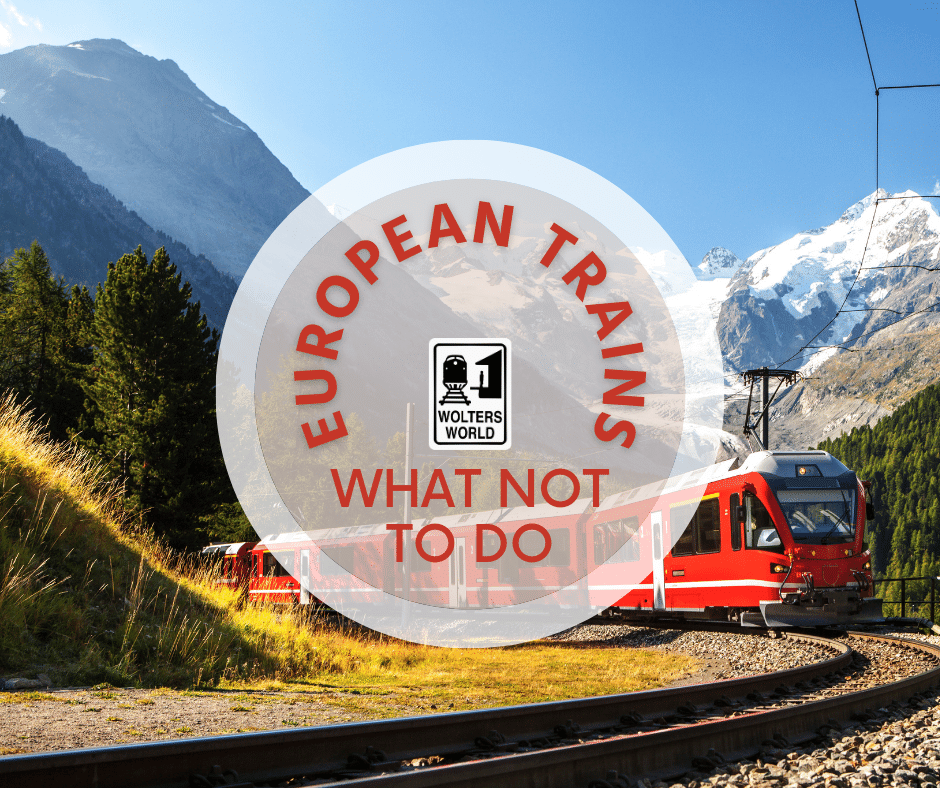
Planning Your European Rail Adventure: Getting Started
So, you're dreaming of exploring Europe by train? Fantastic! It's an incredible way to see the continent, offering a slower pace, stunning views, and a chance to really soak up the atmosphere. But hopping on a train in Europe as an American can feel a little daunting at first. Fear not, fellow traveler! This guide is packed with essential European Train Travel Tips for Americans, ensuring your journey is smooth, stress-free, and utterly unforgettable.
Booking Your Tickets: Navigating the Rail Network
Booking train tickets in Europe can seem like a maze, but it doesn't have to be. Websites like Rail Europe and Trainline are great starting points. They offer a range of options, including different classes of service and flexible tickets. Pro tip: Book in advance, especially during peak season, to snag the best prices and secure your seat.
Consider a rail pass if you plan on traveling extensively. They can save you money if you're hitting multiple countries. However, carefully compare the cost of a rail pass to buying individual tickets; sometimes, buying individual tickets works out cheaper.
Understanding European Train Systems: A Quick Guide
Europe's rail networks are generally efficient and well-connected, but they vary from country to country. Some countries have high-speed trains (TGV in France, ICE in Germany), while others rely on regional lines. Research the specific routes you'll be taking to understand the travel times and potential transfers.
Don't just rely on Google Maps for train times. Check the official railway websites for the specific countries you'll be visiting. They will have the most up-to-date information on schedules and potential delays.
European Train Travel Tips for Americans: On the Ground
Navigating Train Stations: Tips and Tricks
European train stations can be large and busy, especially in major cities. Familiarize yourself with the station layout before you arrive, using online maps or station websites. Knowing where the platforms are, restrooms, and customer service desks will save you precious time and stress.
Keep your belongings close and be aware of your surroundings, just as you would in any busy public place. Pickpocketing can be a problem in crowded areas.
Packing Smart for Your Train Journey: Essentials
Pack light! You'll be carrying your luggage around train stations and onto trains. A comfortable backpack or a small, rolling suitcase is ideal. Remember to bring a universal adapter if you're traveling from the US.
Don't forget essential items like a water bottle (refillable, to save money!), snacks, a good book or downloaded entertainment, and a portable charger for your devices.
Dealing with Delays and Unexpected Issues
Delays are a possibility, so build some buffer time into your itinerary. Check the train schedule boards regularly and download a reliable translation app. Being prepared will keep your cool if things don't go exactly to plan.
If you encounter a major disruption, contact the railway customer service immediately. They can usually offer solutions, such as alternative routes or refunds.
European Train Travel Tips for Americans: Beyond the Basics
Enjoying the Journey: Savor the Scenery
Train travel in Europe is an experience in itself. Take the time to admire the landscapes whizzing by, visit the dining car for a meal with a view, and strike up conversations with fellow passengers (always respecting personal space, of course!).
Understanding Ticket Classes and Amenities
Ticket classes in Europe range from budget-friendly to luxurious. Higher classes often mean more legroom, comfortable seating, and sometimes even complimentary meals and drinks. Consider your budget and travel style when selecting your ticket class.
Safety and Security: Staying Safe on Your Travels
As with any travel, prioritize safety. Keep an eye on your belongings, be mindful of your surroundings, and stick to well-lit areas, especially at night. Inform someone of your travel plans and check in regularly.
Using Local Transportation: From Train to City
Once you arrive at your destination, you'll likely need to use local transportation to reach your accommodation. Familiarize yourself with the local public transportation systems before you arrive—whether it's buses, trams, or subways. Many cities have excellent public transport options and apps to help you navigate.
More European Train Travel Tips for Americans
Learning a few basic phrases in the local languages can go a long way. Even a simple "hello" and "thank you" shows respect and can help you connect with locals. Embrace the unexpected detours and enjoy the spontaneity of your journey – sometimes the best travel experiences are the unplanned ones.
And finally, remember to relax and enjoy the ride! European train travel is an adventure, so embrace the journey, be open to new experiences, and create memories that will last a lifetime.
Conclusion
Planning a European train trip might seem overwhelming initially, but with the right preparation and these European Train Travel Tips for Americans, you can have a fantastic and stress-free journey. Remember to book in advance, understand the different train systems, pack light, and enjoy the ride. Happy travels!
Frequently Asked Questions
Q: Do I need a passport for train travel within Europe?
A: Yes, you'll need a valid passport for international travel, even if you're just traveling by train between European countries.
Q: What type of currency do I need?
A: The Euro (€) is the currency used in many European countries. However, some countries have their own currencies. Check which currency you need for each country you visit.
Q: What about language barriers?
A: Many Europeans speak English, especially in tourist areas. However, learning a few basic phrases in the local language is always appreciated and can be helpful.
Q: Is it safe to travel alone on European trains?
A: Train travel in Europe is generally safe, but it's always wise to be aware of your surroundings and take standard precautions against theft and scams.
Q: What if my train is delayed or canceled?
A: Train delays are unfortunately common. Check train boards regularly for updates, and contact the railway company if necessary. They might offer alternative transportation or refunds.


Comments
Post a Comment