A Caffeine Connoisseur's Guide to Europe: Unforgettable Coffee Experiences
European Coffee Cultures Americans Should Experience
A Caffeine-Fueled Journey Across Europe
Let's be honest, folks. American coffee culture is…well, it's got its charms, sure. But have you ever truly *experienced* coffee? I mean, really *experienced* it? If you're envisioning a quick, lukewarm brew on the go, then you haven't even scratched the surface. European coffee cultures offer a whole different world of flavor, ritual, and atmosphere – a world Americans should absolutely dive headfirst into.
The Italian Espresso: A Shot of Perfection
Italy. The name alone conjures images of sun-drenched piazzas and passionate people. And what better way to soak it all in than with a perfectly pulled espresso? It's not just a coffee; it's an experience. The intense aroma, the rich crema, the sheer intensity of flavor – it's a tiny burst of pure caffeinated bliss. In Italy, it's not uncommon to stand at the bar and savor your espresso in a matter of minutes. It's quick, efficient, and utterly delicious. Forget those oversized, sugary concoctions – in Italy, it's all about the purity of the bean. This is a key aspect of European Coffee Cultures Americans Should Experience.
Vienna's Melange: A Creamy Delight
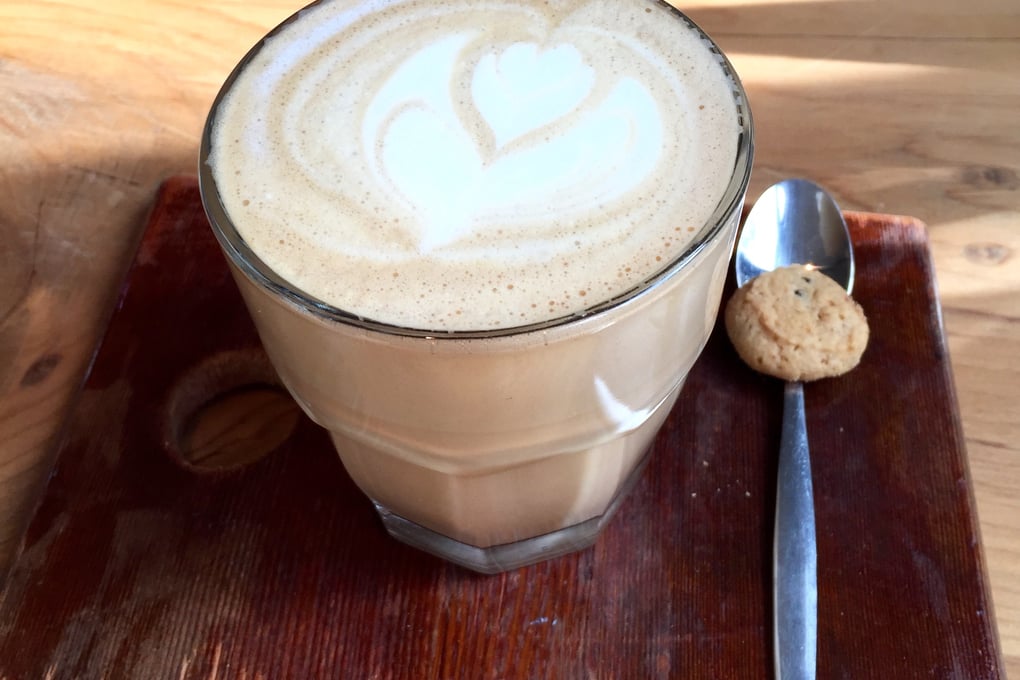
Now, let's whisk ourselves away to Vienna, the city of music and majestic architecture. Here, coffee is an art form. Forget the simple drip; Viennese coffee houses are hallowed halls of caffeine-fueled contemplation. The melange is a must-try. This frothy, milky concoction is far more than your average latte. The milk is meticulously steamed, creating a luxuriously velvety texture that complements the rich, dark coffee. It's the perfect accompaniment to a slice of Sachertorte and a good book. Imagine yourself nestled in a plush armchair, the gentle murmur of conversation drifting in the background. Pure bliss, right? This is part of the unique European Coffee Cultures Americans Should Experience.
Parisian Café Culture: A Scene All Its Own
Ah, Paris. The city of lights, love, and… undeniably chic coffee culture. While espresso is readily available, Parisian cafes often lean towards longer brews, like café au lait (coffee with milk) or café crème (coffee with a generous dollop of cream). The true magic lies in the setting. Picture yourself perched at a tiny table outside a charming café, sipping your coffee as you watch the world go by. The atmosphere is vibrant, a melting pot of artists, writers, and dreamers. It's less about the coffee itself and more about the experience, the social interaction, the feeling of being part of something truly special. This should be on everyone's list of European Coffee Cultures Americans Should Experience.
Portuguese Pastel de Nata and Your Perfect Cup
Portugal is a country of captivating beauty, rich history, and – you guessed it – phenomenal coffee. While you'll find espresso and other familiar brews, one should not miss the chance to pair their coffee with a Pastel de Nata, a heavenly custard tart. This combination is a culinary symphony, the sweetness of the custard beautifully complementing the bitterness of the coffee. This sweet treat makes for a great sweet treat in one of the many European Coffee Cultures Americans Should Experience.
The Turkish Coffee Experience: A Ritualistic Brew
Journey to Turkey and delve into the world of Turkish coffee, a rich, intensely flavorful brew prepared in a cezve (a small, traditional pot). It's more than just a drink; it's a ritual. The coffee grounds are finely ground and brewed directly in the cezve, resulting in a strong, concentrated brew with a thick sediment at the bottom. It's traditionally served in small, ornate cups and often accompanied by Turkish delights. The entire process, from the brewing to the reading of the coffee grounds (tasseography), is a deeply cultural experience. You'll find this unique in the varied European Coffee Cultures Americans Should Experience.
Beyond the Bean: The Culture of Coffee
The thing is, the coffee itself is only half the story. European coffee cultures are deeply ingrained in the fabric of daily life. It's about the social interaction, the leisurely pace, the art of savoring each sip. It's about taking a break from the hectic pace of modern life and simply enjoying the moment. It's a philosophy, a way of life, as much as it is a beverage. This is an important facet of European Coffee Cultures Americans Should Experience.
Embrace the Experience: Why You Should Explore
So, next time you're planning a European getaway, don't just focus on the sights and sounds. Make time to explore the rich and diverse coffee cultures that await you. It's a chance to connect with the local culture on a deeper level, to savor new flavors, and to create unforgettable memories. Trust me, it's an adventure your taste buds (and your soul) will thank you for. This is a life-changing experience within the European Coffee Cultures Americans Should Experience.
Conclusion
From the intense shot of an Italian espresso to the creamy indulgence of a Viennese melange, European coffee cultures offer a world of flavors and experiences waiting to be discovered. Don't just drink coffee; *experience* it. Embrace the rituals, the atmosphere, and the sheer joy of a perfectly brewed cup. It's a journey worth taking, one that will enrich your understanding of both coffee and the unique cultures that embrace it. It is an exceptional and important component of the European Coffee Cultures Americans Should Experience.
Frequently Asked Questions
Q1: What's the best way to order coffee in a foreign country?
A1: A simple "espresso," "cappuccino," or "café au lait" usually works across much of Europe. Pointing at a menu or using a phrasebook can also help.
Q2: Are European coffee shops expensive?
A2: Prices vary greatly depending on the location and type of establishment, but generally, you can expect to pay a bit more than in some American coffee chains.
Q3: What are some must-try coffee-related foods in Europe?
A3: Pastel de Nata in Portugal, Sachertorte in Austria, and various pastries in French cafes are all excellent choices.
Q4: How do I know if a coffee shop is authentic or touristy?
A4: Look for places frequented by locals, rather than those heavily advertised to tourists. Often smaller, less flashy places offer a more authentic experience.
Q5: What's the best time of year to visit Europe for its coffee culture?
A5: Any time of year works, but spring and fall often offer pleasant weather for enjoying coffee outdoors at cafes and patios.


Comments
Post a Comment